Cupping Therapy
Cupping therapy is a hands-on technique that uses gentle suction to create a subtle lift on the skin. It is often used as part of a personalized care plan to support movement comfort, recovery, and relaxation. Before treatment, we review your goals, medical history, and skin suitability to explain what the experience may feel like and what temporary marks could mean.
In your consultation, you can discuss the discomfort or movement concern that brought you to cupping. We explain the suction technique, the sensations you may notice, and the realistic goals for your visit. This approach helps you understand whether cupping could be a useful addition to your care plan, alongside activity guidance, education, or other appropriate support.
A personalized approach to your care
- We review symptoms, movement goals, and skin suitability before treatment
- Suction technique and sensations are explained clearly
- Temporary marks are discussed as a possible outcome, not a measure of success
- Comfort communication is encouraged throughout your visit
- Cupping is positioned as one possible hands-on component, not a standalone recovery plan

Understanding
Cupping Therapy
Cupping uses suction cups placed on the skin to create a gentle, controlled lift. The sensation can feel like a mild stretch or a gentle pulling sensation. Some people describe it as relaxing, while others notice a subtle pressure that is usually manageable.
Temporary circular marks can appear after treatment. These marks are caused by localized changes in blood flow and are not evidence that toxins are being removed. They are a common outcome and can fade over time, with duration varying by person. Skin irritation, bruising, or blistering can also occur, which is why we review skin condition, medicines, and bleeding risks before applying cups.
Cupping should not delay assessment of unexplained pain. If you are considering cupping, the most useful conversation is about what it may realistically support, what it may not change, and how it fits into your broader care plan.
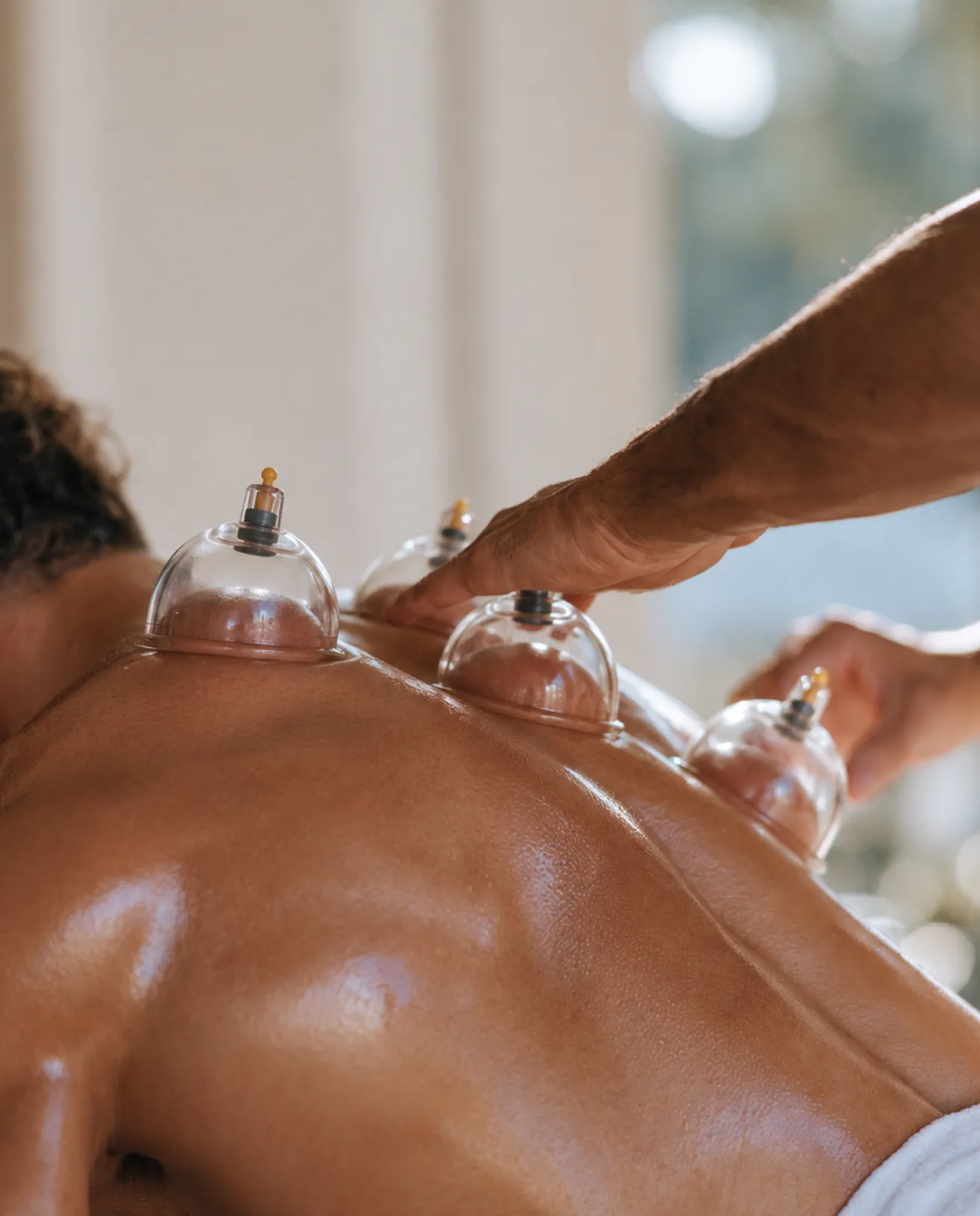
A personalized approach to cupping therapy
Hands-on Care with a Clear Purpose
A useful cupping discussion connects the technique to your symptoms and movement goals. We explain what cupping may support, what it may not change, and how it fits alongside activity guidance or other appropriate care. This approach helps you make an informed decision about whether cupping is a good fit for your visit.
01 — Consultation
We discuss your discomfort, movement goals, medical history, previous hands-on care, and your comfort with temporary skin marks. This conversation helps us decide whether cupping is a realistic option for your visit.
02 — Evaluation
We assess the area and skin condition, review medicines and bleeding risks, and decide whether suction is appropriate for your care plan. We explain the proposed method and what you may feel during treatment.
03 — Personalized Plan
We clarify the exact cupping method, likely sensations, risks, alternatives, and its role within your care plan. We want you to understand what to expect and why cupping is being recommended, if it is.
04 — Ongoing Care
We review skin response and symptoms after treatment. If irritation occurs or the technique is not useful, we adjust the plan and discuss other options that may be a better fit for your goals.
A Considered Approach to Suction-Based Care
At Basis, we explain what cupping is intended to contribute and what remains uncertain. We do not frame temporary marks as proof of detoxification or treatment success. Instead, we focus on comfort, realistic goals, and whether cupping is a useful addition to your care plan.
Before treatment, we confirm the approach, review safety precautions, and explain what you may feel. We want you to understand the technique, the possible outcomes, and the next steps before you decide.

What to expect
Before your appointment
Share medicines, bruising or bleeding concerns, fragile skin, active rashes, recent procedures, and any altered sensation. Wear clothing that allows access to the agreed area. We use this information to decide whether cupping is suitable and to explain what you may feel during treatment.
During your visit
We review consent and the proposed method before cups are applied, if suitable. Report pinching, burning, or pain rather than assuming stronger suction is better. We want you to be comfortable and informed throughout the experience.
Estimated visit: 20–30 min.
Confirm appointment details when booking.
After your visit
Follow skin-care advice and monitor the treated area. Seek review for blistering, worsening pain, signs of infection, or marks that concern you. We want you to know what to expect and when to follow up.
Frequently Asked Questions
Suction can cause localized discoloration from effects on superficial vessels. The marks do not show toxins leaving the body or prove benefit. They are a common outcome and can fade over time, with duration varying by person.
Ask which technique is proposed and what method-specific risks apply. Wet cupping and fire cupping should not be assumed from the general service name. We explain the approach clearly so you can make an informed decision.
More intense sensation does not establish greater benefit. Comfort and skin safety should guide the discussion rather than a need to endure pain. We want you to be comfortable and informed throughout the experience.
These medicines can affect bruising and bleeding risk and require individualized review. Do not stop prescribed medicines to receive treatment without advice from the prescriber. We review your medical history carefully before deciding whether cupping is suitable.
Active skin problems may make the area unsuitable. Tell the provider about irritation, wounds, infection, or fragile skin before treatment. We assess skin condition before applying cups to minimize risk.
Not automatically; it is a possible hands-on component rather than a complete movement plan. Exercise, education, or further assessment may be more relevant to the underlying concern. We position cupping realistically within your broader care goals.
Irritation, bruising, blistering, and skin injury can occur. Increasing pain, drainage, or signs of infection should prompt medical advice. We review possible side effects clearly before treatment and explain when to follow up.
Estimated visit: 20–30 min. Confirm appointment details when booking. Ask whether the first assessment is included or separate, and confirm clothing and access to the agreed treatment area.
It’s time to get back to basis.
Talk with a provider about cupping therapy and whether it has a useful role in your hands-on care plan. We explain the technique, the sensations, and the realistic goals so you can make an informed decision.