Neuromodulators for Expression Lines
Neuromodulators are injectable treatments used to soften the appearance of expression lines, forehead lines, frown lines, and crow's feet. They work by temporarily reducing muscle activity in targeted areas, helping to create a more relaxed, smoother appearance with the amount of movement change discussed during planning.
Before treatment, your provider reviews your facial movement, skin concerns, previous injectable experiences, and your goals for softening lines. This consultation helps determine whether neuromodulators are a good fit, which areas may benefit most, and how to balance softening with natural movement.
What to expect from a consultation
- Review of forehead lines, frown lines, and crow's feet
- Discussion of your goals for softening expression lines
- Guidance on realistic expectations and natural-looking results
- Review of potential risks, aftercare, and follow-up care

Understanding
Neuromodulators (Botox, Dysport)
Neuromodulators are often used to address lines that appear with movement, such as frown lines between the eyebrows, forehead lines, and crow's feet around the eyes. They do not add volume, lift the face, or improve skin texture on their own. Instead, they help soften the appearance of dynamic wrinkles by reducing muscle activity in the treated area.
The effect is temporary and develops over time. Results vary from person to person, and follow-up care is important to assess how your skin and expression respond. A consultation is the best way to understand whether neuromodulators are a good fit for your concerns and to discuss realistic expectations before treatment.
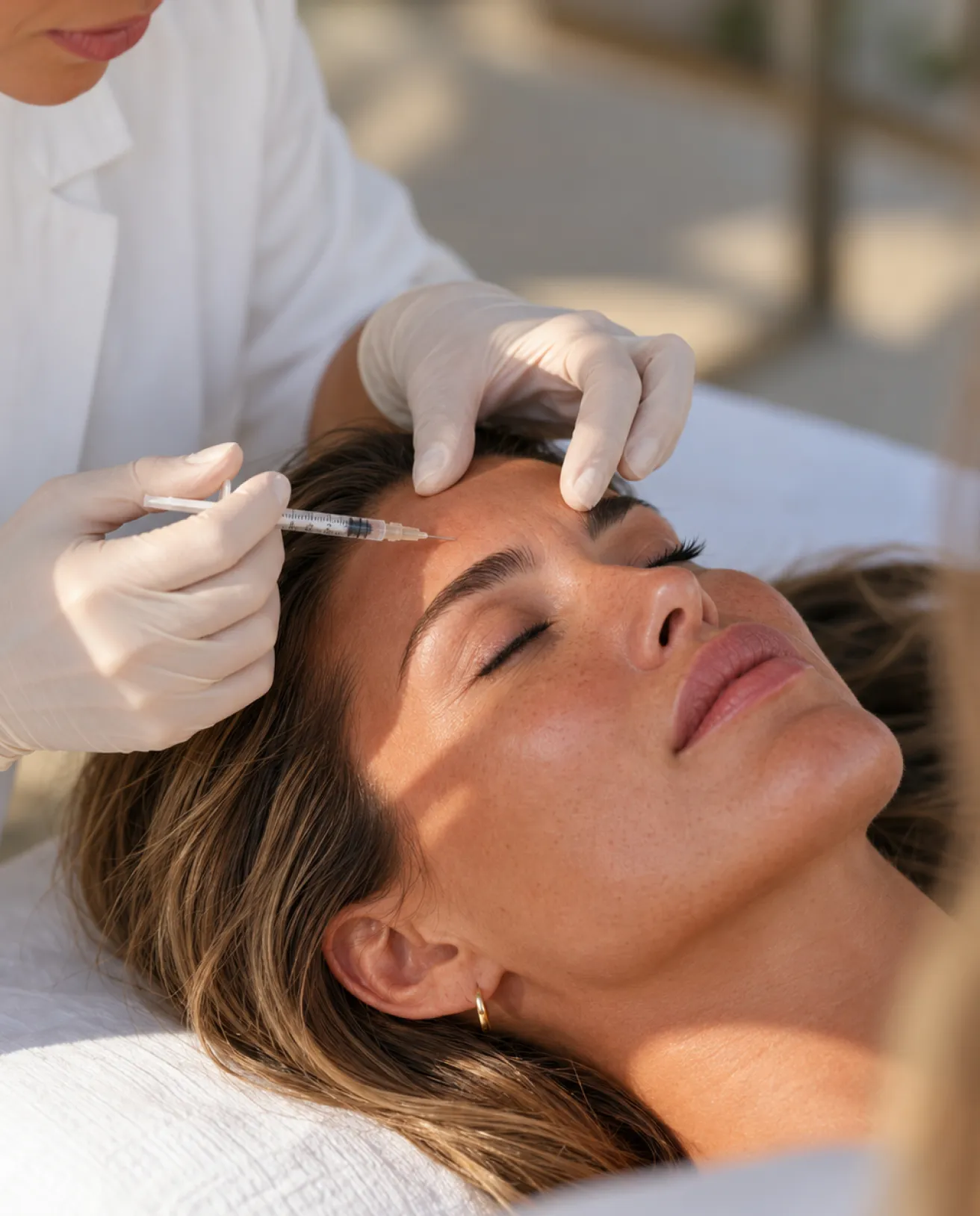
A Personalized Approach To Expression Lines
Softening Lines While Preserving Expression
A personalized approach to neuromodulators starts with how your face moves, not just the lines you want to soften. Your provider assesses forehead lines, frown lines, crow's feet, and your overall expression to recommend a treatment plan that respects your natural look.
This process helps answer common questions before treatment: which areas are most likely to benefit, how much softening is realistic, and how to maintain a natural appearance while reducing the visibility of expression lines.
01 — Consultation
Discuss the lines that bother you, previous injectable experiences, and your goals for softening expression lines while preserving natural movement.
02 — Evaluation
Review facial movement, anatomy, previous treatments, and health factors that may affect suitability and realistic expectations.
03 — Personalized Plan
Agree on treatment areas, realistic expectations, and aftercare guidance before proceeding with treatment.
04 — Ongoing Care
Review how your expression lines respond as the effect develops and discuss any concerns or follow-up care with your provider.
A Considered Approach to Expression-Line Care
At Basis, a consultation for expression lines starts with your goals, facial movement, and treatment history. Your provider explains which areas may benefit most, how much softening is realistic, and what to expect during and after treatment.
Common concerns include bruising, tenderness, headache, asymmetry, and eyelid or brow drooping. Rare symptoms beyond the treated area, such as difficulty swallowing, breathing, or speaking, or widespread weakness, require urgent medical attention. A specific dose or outcome cannot be inferred from a service description, so a consultation is the best way to understand whether neuromodulators are right for you.

What to expect
Before your appointment
Share your treatment history, medicines, allergies, and any health concerns so your provider can assess suitability and recommend the right next steps.
Common questions to discuss include previous neuromodulator or filler treatments, medicines that may affect treatment, and any concerns about bruising, asymmetry, or maintaining natural expression.
During your visit
Your provider reviews facial movement and proposed treatment areas before consent. If treatment proceeds, small injections are used, and brief discomfort or pinpoint bleeding may occur.
Estimated visit: 15–30 min.
Confirm appointment details when booking.
After your visit
Follow your provider's instructions about activities and touching treated areas. Ask when to assess the developing effect and how to report concerns such as drooping, asymmetry, or other unexpected changes.
Frequently Asked Questions
Botox and Dysport are neuromodulators that temporarily reduce selected muscle activity. Fillers change volume or contour. Botox and Dysport are distinct products, not dose-for-dose substitutes; product choice and dosing require individual assessment.
Treatment can change movement in targeted muscles, but the amount of change depends on the plan and your response. Discuss your preference for preserving expression rather than assuming a particular look is guaranteed.
Neuromodulators do not produce their full effect immediately after injection. Your provider can explain when to assess the result and whether a review is appropriate for your treatment.
The effect is temporary and wears off as muscle activity returns. Duration varies, and repeat treatment should be discussed rather than assumed to follow a fixed schedule.
Lines related to movement may respond differently from folds, volume loss, or skin texture changes. An evaluation helps distinguish what neuromodulators may soften from concerns better addressed by other care.
Bruising, tenderness, headache, asymmetry, and eyelid or brow drooping are possible. Seek urgent medical care for difficulty swallowing, breathing, or speaking, or widespread weakness after treatment.
Pregnancy, breastfeeding, certain neuromuscular conditions, infection at a proposed injection site, and relevant medicines may affect suitability. Share these details so the provider can advise whether treatment should be deferred or avoided.
Estimated visit: 15–30 min. Confirm appointment details when booking. Ask whether consultation, consent, and aftercare guidance are included, and how any review of the developing effect would be arranged.

It’s time to get back to basis.
Talk with a provider about neuromodulators and a considered approach to expression lines.