One-on-One Personal Training
Personal training helps you build strength, confidence, and movement technique around the goals that matter most to you. Whether you are starting from a quiet routine, returning after time away, or looking for more consistent progress, coaching can help you move with better form, more control, and a plan that fits your schedule and experience.
You do not need a specific fitness level to begin. The first step is to understand what you want to improve, what you enjoy doing, and where you feel uncertain. From there, coaching can help you build a routine that supports your goals, respects your limitations, and grows with your ability over time.
A personalized approach to your training
- Goals, experience, and current ability reviewed
- Individual technique feedback to improve form and control
- Progression matched to your tolerance and confidence
- A training plan that fits your schedule and daily life
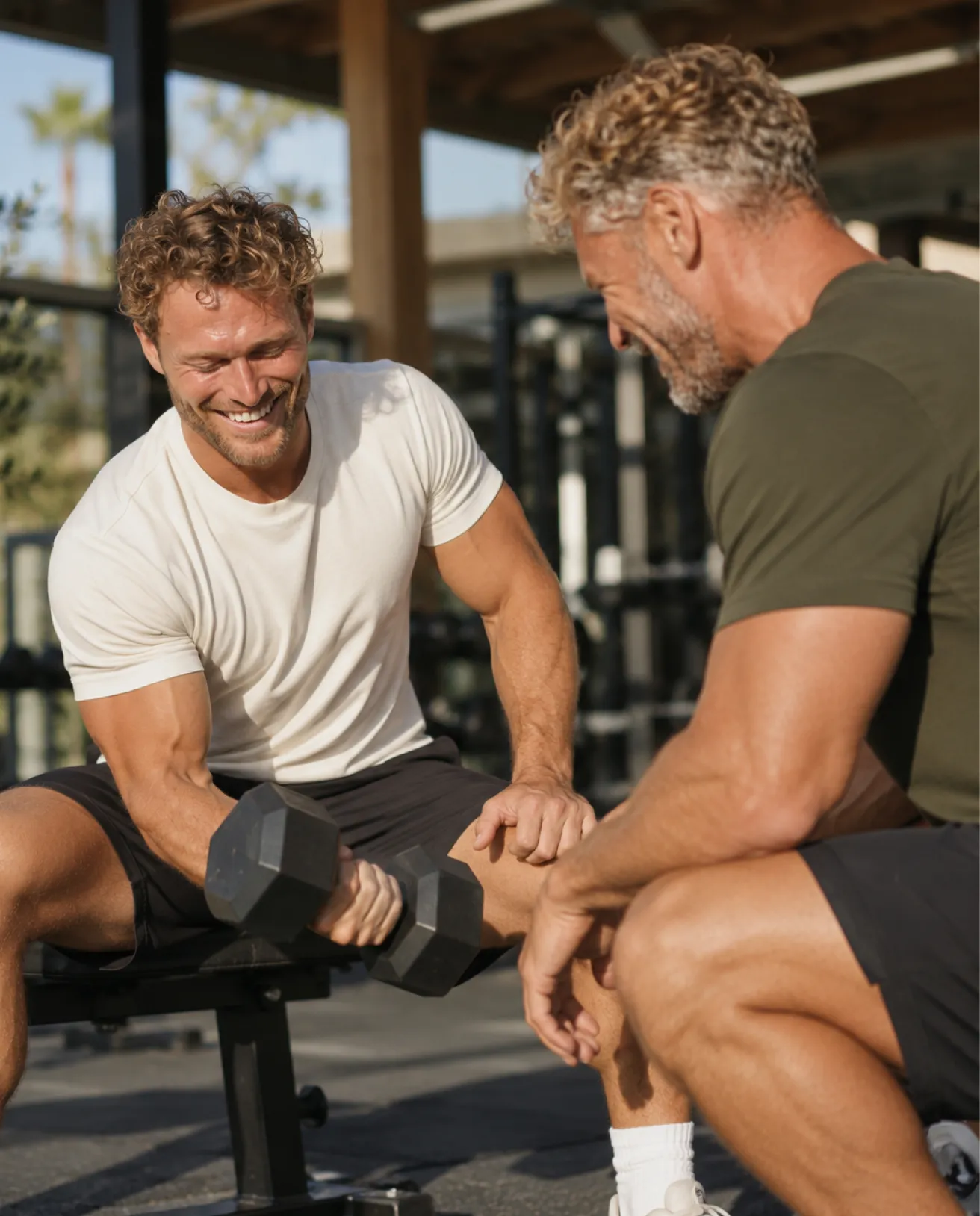
Understanding
One on One Personal Training
One-on-one personal training is designed to help you improve movement technique, build strength, and make progress toward goals that matter to you. A useful plan considers your training history, confidence, available time, and any limitations that should shape your routine.
The goal is sustainable progression, not just intensity. Coaching can help you learn movements with better form, build consistency, and understand how to balance challenge with recovery. If you are returning after time away, recovering from a setback, or simply want more accountability, individual coaching can help you move with more confidence and control.
Personal training is not a substitute for medical care or rehabilitation. If you have symptoms, an injury, or concerns that need clinical attention, your first step should be a medical assessment. Once you have the right guidance, coaching can help you apply that information to your training and build a routine that supports your goals without ignoring your safety.

A personalized approach to one-on-one personal training
Your Starting Point Is Part of the Plan
A good plan starts with the goals that matter most to you, whether that means everyday strength, more consistent movement, or simply feeling more capable in your daily life. The exercise plan should reflect your ability, your preferences, and the time you actually have available, rather than a fixed definition of fitness.
01 — Consultation
Talk through your goals, training history, schedule, confidence, injuries, and any medical restrictions or clearance needs so coaching can be tailored to your starting point.
02 — Evaluation
Review relevant movements, current capacity, technique, and symptoms to establish a starting level that makes sense for your goals and your current ability.
03 — Personalized Plan
Agree on exercise choices, manageable progression, recovery considerations, and what to do if discomfort appears so you can move forward with confidence.
04 — Ongoing Care
Review technique, consistency, and functional progress, then adapt the plan as your capacity and circumstances change so your training stays relevant and useful.
A Considered Approach to Individual Coaching
At Basis, ask how the session connects with your goals and how progress will be monitored. Training should not require ignoring pain or chasing exhaustion. Discuss the session format, exercise choices, and relevant health needs before starting, then agree on useful measures of progress.

What to expect
Before your appointment
Share relevant diagnoses, injuries, medicines, activity restrictions, and your exercise experience. Wear comfortable clothing and ask whether medical clearance is needed before your first session.
During your visit
Review goals and practice suitable movements with individual coaching. Effort and technique can be adjusted, and you should report pain, dizziness, or feeling unwell immediately.
Estimated visit: 45–60 min.
Confirm appointment details when booking.
After your visit
Follow the agreed recovery and between-session plan. Note how your body responds and discuss barriers or symptoms before increasing the challenge on your own.
Frequently Asked Questions
You do not need a specific fitness level to begin. Coaching can help you build strength, confidence, and movement technique from wherever you are now, whether you are starting from a quiet routine, returning after time away, or looking for more consistent progress.
One-on-one training is organized around your goals, your feedback, and your movement technique. You receive individual coaching, adjustments, and a plan tailored to your starting point, experience, and schedule, rather than sharing coaching attention with a group.
That depends on symptoms, healing, and any restrictions. If you have an injury or symptoms that need medical attention, your first step should be a clinical assessment. Once you have the right guidance, coaching can help you apply that information to your training and choose movements that respect your limitations.
Intensity should reflect your ability, your goals, and the purpose of the session. Exhaustion is not a necessary sign of good coaching or progress. Some sessions may focus on technique, control, or recovery, while others may build challenge in a way that feels manageable and sustainable.
Pain needs attention rather than automatic persistence. Tell the coach so the movement can be adjusted or medical assessment recommended when needed. If you experience pain, dizziness, or discomfort that does not feel normal, stop the movement and discuss it with your coach.
Useful measures can include technique, consistency, strength, and meaningful daily tasks. Agree on relevant markers instead of judging the plan only by appearance. Progress may also show up in how you move, how you recover, and how confident you feel in your daily routine.
No. Personal training and rehabilitation have different purposes and scopes. If you have an injury, symptoms, or concerns that need medical attention, your first step should be a clinical assessment. Once you have the right guidance, coaching can help you apply that information to your training and build a routine that respects your limitations.
Estimated visit: 45–60 min. Confirm appointment details when booking. Confirm arrival arrangements and whether an initial goal discussion or movement review happens separately. Wear clothing that allows movement.

It’s time to get back to basis.
Talk with the team about one-on-one personal training shaped around your goals and starting ability.