Dermal Fillers for Face & Lips
Dermal fillers are used to restore lost facial volume, soften deep folds, and refine lip shape. This service is designed for people who want to address volume loss, uneven contours, or lip concerns without surgery. Your provider will review your facial structure, previous treatments, and goals before recommending a personalized plan.
What to expect from dermal fillers
- Facial volume assessment and contour review
- Lip shape and proportion guidance
- Realistic expectations for filler results
- Recovery guidance and follow-up support

Understanding
Volume Restoration (Dermal Fillers), Face and Lips
Dermal fillers are injectable treatments that help restore facial volume, soften deep folds, and refine lip contours. They work differently than muscle-relaxing injections and are not a substitute for skin tightening or lifting. Results depend on facial anatomy, previous treatments, and how your tissues respond to the filler. Your provider will explain the proposed treatment area, expected benefits, and realistic outcomes before you decide.
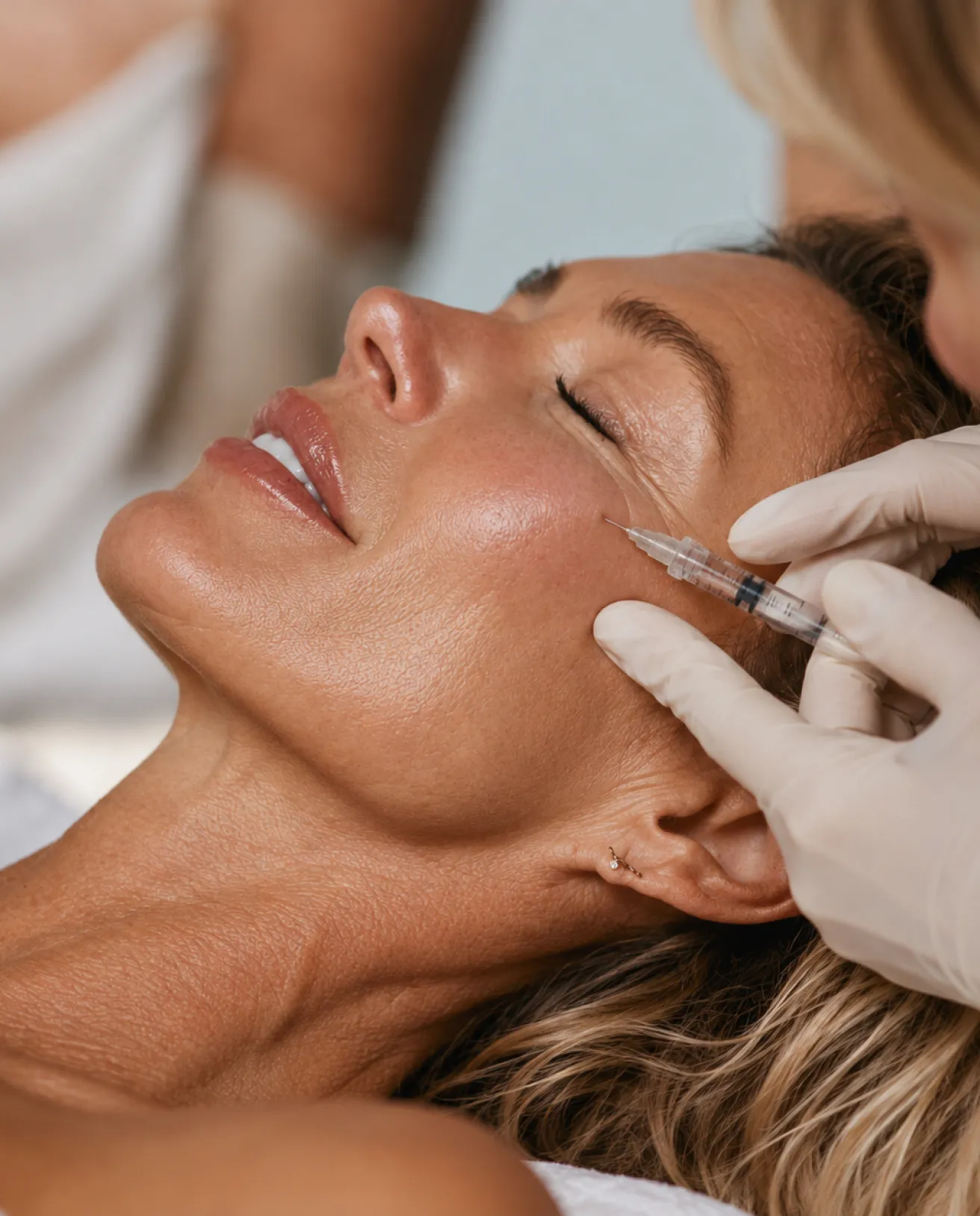
A personalized approach to dermal fillers
A Filler Plan That Starts with Your Features.
A good filler consultation balances what you want to change with what you want to keep. Your provider will review your facial structure, previous treatments, and comfort with downtime to recommend a plan that fits your goals, budget, and realistic expectations.
01 — Consultation
Share your concerns, goals, and previous treatments so your provider can recommend the right approach for your face and lips.
02 — Evaluation
Your provider assesses facial proportions, anatomy, previous filler, health history, and any factors that may affect treatment or recovery.
03 — Personalized Plan
Your provider explains the proposed treatment area, expected benefits, realistic outcomes, and what to expect during and after treatment.
04 — Ongoing Care
Follow aftercare guidance, track settling and swelling, and return for follow-up if you have questions about the final result.
A Considered Approach to Volume and Contour
At Basis, dermal fillers are approached as a tool for refinement, not a one-size-fits-all fix. Your provider will explain the proposed treatment, expected benefits, and realistic outcomes so you can make an informed decision. Common side effects include bruising, swelling, and temporary lumps. Serious risks are rare, but it is essential to understand warning signs and follow aftercare guidance carefully.

What to expect
Before your appointment
Bring details of previous filler, including product and treatment area if known. Share allergies, medicines, dental or facial procedures, and any active infection so timing can be considered.
During your visit
The provider reviews anatomy, product choice, consent, and the injection plan. If treatment proceeds, pressure or discomfort may occur, and early swelling can obscure the final contour.
Estimated visit: 30–60 min.
Confirm appointment details when booking.
After your visit
Follow product- and area-specific aftercare. Ask how to recognize urgent symptoms; severe or increasing pain, unusual skin color changes, or visual symptoms require immediate medical assessment.
Frequently Asked Questions
Ask your provider to explain the proposed filler, its intended use, and why it fits your treatment area.
No; filler changes volume or contour, while Botox reduces activity in selected muscles. Your provider can explain which approach, if any, fits the concern you are describing.
Natural-looking definition is a treatment goal, but appearance depends on anatomy, product, placement, and response. Discuss your preferences clearly and consider the limits of an injectable approach.
Estimated visit: 30–60 min. Confirm appointment details when booking. Confirm time for facial assessment, consent, comfort measures, and aftercare. Ask when swelling or settling should be reviewed.
Not every filler is reversible, and removal or correction may not be straightforward. Confirm the product’s reversibility and the options for an unwanted result before treatment.
Vascular occlusion can occur if filler enters or blocks a blood vessel, causing tissue damage and, rarely, vision loss or stroke. Visual change, severe or increasing pain, unusual skin discoloration, or neurological symptoms require immediate medical assessment, not a routine follow-up.
Early swelling and bruising may make the treated area look different from the settled result. Your provider should explain when review is useful and what changes need earlier assessment.
Active infection, cold sores, or certain skin conditions may affect timing. Your provider can help you decide whether to proceed or reschedule.

It’s time to get back to basis.
Talk with a provider about dermal fillers, facial volume, and your contour goals.